
What does biometric authentication have to do with identity management? Let’s find out!
There are three possible ways of proving your identity:
- Using something you possess (Cards, Tokens)
- Utilizing something you know (Passwords, Pins)
- Utilizing what you are (Fingerprint, Face ID)
This article focuses on the third method, called Biometric Authentication. A trend in today’s world as it’s perceived to be a reliable and fast way of identity management through the use of unique biological characteristics.
Have you gnashed your teeth when your phone couldn’t recognize your fingerprint, so you had to use the password/pin method? Happens to all of us.
There’s a certain confidence and ease experienced when you use your biometrics to verify your identity. Perhaps it’s in the level of security and accuracy that it guarantees. Or the speed of access.
Even traditional slow adopters in diverse sectors are getting in on the act, at different user touchpoints.
So what really is Biometric Authentication, why is it catching up so quickly and what are the potential challenges that lie ahead?
A Brief Guide on Biometric Authentication and How it works
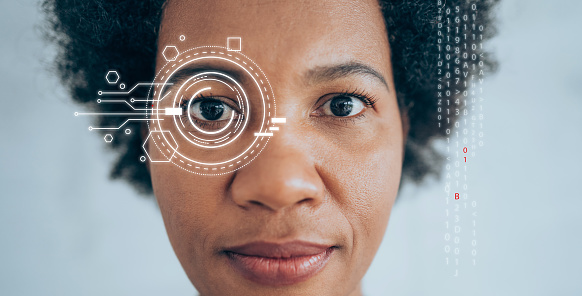
Simply put, Biometric authentication is a key, made up of your human features that only work in opening doors where those particular features have been recorded and kept. Since it’s your key, it’s very tough to open that same door without your involvement.
Biometric authentication refers to security processes that verify a user’s identity through unique biological traits such as retinas, irises, voices, facial characteristics, and fingerprints.
Biometric authentication systems store this biometric data to verify a user’s identity when that user accesses their account. Because this data is unique to individual users, biometric authentication is generally more secure than traditional forms of multi-factor authentication.
How does it work?
Biometric authentication works by comparing two sets of data: the first one is preset by the owner of the device, while the second one belongs to a device visitor. If the two data are nearly identical, the device knows that “visitor” and “owner” are the same, and gives access to the person.
Back to our door analogy. When you use your key for the first time, the door remembers it. To open that same door again, you’ll need to bring a key exactly or just like your original key.
There are a few types of identifying a user through his/her biometrics. Below are the most popular biometric technologies in 2021:
- Fingerprint Scanning
- Voice Recognition
- Iris Recognition
- Facial Recognition
- Handwriting Recognition
How Biometric Authentication affects Identity Management
At Seamfix, we have received several requests about our biometric enrolment solutions from customers who wish to update their existing database with biometric data. Some of these requests are driven by a regulatory push to ensure they comply with international standards in identity management.
<See how we Power Seamless BiometricEnrolment With 100% Compliance Assured>
Also, we have seen some banks implement biometric authentication (fingerprint) for Automated Teller Machines to ease the process of ATM withdrawals by speeding up the identification requirement. Other agencies rapidly adopting biometric authentication today include law enforcement, border control, healthcare and civil registry.
In light of this trend, the major challenges around biometric authentication still hover around proper biometric enrollment. How do we enable a society where biometric authentication becomes a no brainer?
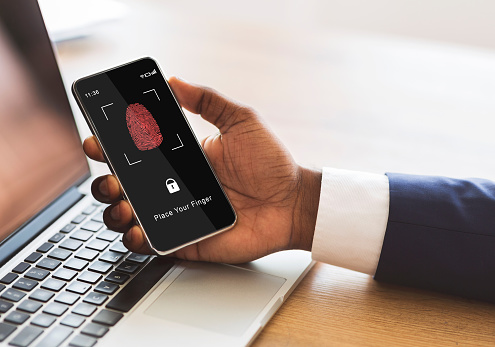
Understand its benefits:
- Identity Assurance: There’s a 1in 64 billion chance that your fingerprint will correspond exactly with someone else’s. Biometric Authentication is more secure than traditional verification methods as biometric data is incredibly difficult to be breached or forged. With Biometrics, “Who you are is exactly who you say you are”.
- Ease of Use: Try remembering the 10th time you’ve had to change a password you forgot. Unpleasant, yes? Since all your data is stored once, you never have to remember a collection of PINs and passwords. It takes half a second to scan your fingerprint. For comparison, you won’t even have typed the first key in a password entry.
- Easier Fraud Detection: An identity thief would literally have to be you to rip off your biometric data. There’s no other way. No matter whether the device is stolen or how technical a hacker is, it is very difficult to replicate a user’s biometric without any serious involvement of the owner.
Ultimately, in this fast-paced world, Biometric authentication promises security and ease. A haven for today’s consumers and developers.
Workaround its disadvantages:
- Authentication Software: As with all things man-made, bugs will be present. Hackers can find backdoors in the software to access biometric data. This is not a problem of the data or the method itself, it’s a problem of human limitations. Utilizing the right software for your biometric system is a critical component to ensure the security of customer data and compliance with regulatory standards.
- Life-Long Availability: Because this data is part of your entity as a human being, its use is universal and long-lasting. Even after your departure. What this means is that once it’s breached, you can do very little to alter or reverse it. Whatever organisations and consumers make of this, is critical to the reach and value of this system.
Will Biometrics Forever Change The Way We Live And Do Business?

The role of biometric authentication is expanding because it provides higher levels of identity assurance, improves the customer experience and conversion rates, and better protects online accounts from identity theft and account takeover.
But as mentioned above, with potentially serious costs. Organisations must find a way to build and retain the trust of their customers while being able to provide seamless identity verification throughout the customer journey.
Seamfix’s goal is to empower people to participate in the economy and access digital services with verified identities, helping multiple organizations build trust ‘One Identity at a Time’.
Learn how we do this through our best in class verification service
<Get started Here>