FRAUD is defined as “a person or thing intended to deceive others, typically by unjustifiably claiming or being credited with accomplishments or qualities.”
In public services, we’d say fraud is the act of cheating the integrity of systems designed to serve citizens, leading to resource wastage and eroding public trust.
Public sector fraud is a significant challenge in Nigeria. According to the Executive Chairman Nigeria’s Economic and Financial Crimes Commission (EFCC), Ola Olukoyede, over 90% of corruption cases in the public sector are linked to unethical practices that exploit systemic vulnerabilities. Fraudsters exploit these vulnerabilities using fake identities, forged documents, and duplicate applications, hindering genuine users from accessing essential services.
Implementing self-service platforms can help address these challenges.
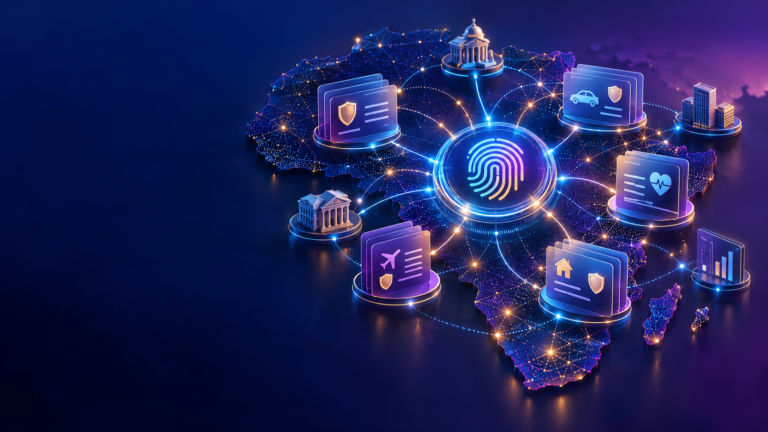
Self-service platforms enable users to independently access and manage services without in-person interactions. These platforms leverage advanced technologies like AI-driven identity verification and biometric authentication to securely verify user identities and combat fraud. By streamlining service delivery and enhancing security, self-service platforms make public services more accessible, efficient, and trustworthy.

How do Self-service platforms prevent fraud?
- AI-Driven Identity Verification
Verifying the identity of applicants is challenging with traditional methods prone to human error. Self-service platforms rely on AI-driven identity verification, which matches submitted photos to foundational databases, ensuring likeness. This reduces the risk of impersonation. They also use liveness detection to establish that the individual is indeed present and performing that action, and the uploaded image is not a spoof or deepfake. - Biometric Authentication and Verification
Biometric data is unique to each individual, unlike passwords that can be stolen or documents that can be forged. Self-service platforms incorporate biometric authentication methods like facial recognition and fingerprint scanning for identity verification. These systems perform real-time biometric quality checks to ensure accuracy and compliance with security standards. - Data Deduplication and Matching
Fraudsters often use identity duplication to create multiple profiles. Self-service platforms counter this with data deduplication technology that cross-checks submitted data against existing records. This ensures each citizen has only one verified identity, preventing multiple applications under different names. - Multi-Layer Verification and Risk Scoring
Self-service platforms enhance security with multi-layer verification, cross-checking identity details with national databases, employment records, and other government systems. AI-powered risk scoring flags inconsistencies or suspicious activities for manual review, minimizing fraud. - Automated Fraud Detection and Alerts
Using advanced machine learning algorithms, self-service platforms detect unusual patterns or behavior that may indicate fraud. For instance, multiple applications from the same device or location can trigger alerts for further investigation.
Real-World Impact: Seamfix’s Success in Combating Fraud
Seamfix is at the forefront of fighting fraud in public services with innovative self-service solutions. By leveraging biometric technology, AI-driven verification, and automated fraud detection, we significantly eliminate the risk of fraud while enhancing user experience.
Our self service suit offers the following benefits;
- Citizens can submit applications and documents via a smartphone.
- Automated data capture from identity documents.
- Liveness Detection & Anti-Spoofing to Prevent fraudulent attempts with real-time security checks.
- Contactless fingerprint capture to enable remote biometric enrollment using smartphone cameras.
- Detects poor submissions and prompt recaptures for accuracy.
- Securely validates data against official records.
Ready to see how it works?
Click here to book a demo