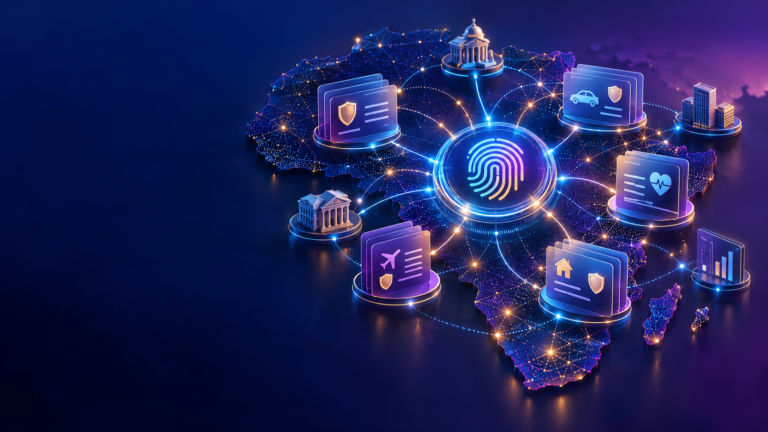
Understanding Digital Identity and Its Impact on Modern Governance
By Seamfix Engineering 6 min read

Introduction
As governments worldwide accelerate their digital transformation initiatives, digital identity has emerged as a foundational component of modern governance. From accessing healthcare services and social benefits to filing taxes and voting, citizens increasingly rely on digital channels to interact with government institutions.
At the heart of these interactions lies digital identity—a secure and verifiable representation of an individual in the digital world. When implemented effectively, digital identity systems can improve service delivery, strengthen security, reduce fraud, and enhance citizen trust. However, they also introduce important challenges related to privacy, cybersecurity, and governance.
This article explores the concept of digital identity, its impact on public services, the challenges governments face in implementation, and the future of digital identity governance.
The Definition of Digital Identity
Digital identity refers to the collection of electronic information that uniquely represents an individual, organization, or entity within a digital environment. It serves as the digital equivalent of traditional forms of identification such as passports, driver’s licenses, or national identity cards.
Components of Digital Identity
A comprehensive digital identity typically consists of several key elements:
- Personal Attributes: Name, date of birth, nationality, address, and other identifying information.
- Unique Identifiers: National identification numbers, tax identification numbers, or government-issued digital IDs.
- Authentication Credentials: Passwords, PINs, security tokens, biometric data, or digital certificates used to verify identity.
- Behavioral and Contextual Data: Information about user behavior, device usage, and access patterns that can help strengthen identity verification.
Together, these components enable governments and service providers to accurately verify individuals before granting access to services and resources.
The Importance of Accuracy and Security
Accuracy is critical because errors in identity records can lead to service denial, incorrect benefit distribution, or identity fraud. An inaccurate digital identity system can undermine public confidence and create administrative inefficiencies.
Security is equally important. Digital identity systems store highly sensitive personal information, making them attractive targets for cybercriminals. Strong encryption, multi-factor authentication, access controls, and continuous monitoring are essential to protect citizens’ data and maintain trust.
Applications of Digital Identity in Governance
Governments around the world are using digital identity systems to support various public services, including:
- Citizen registration and national identification programs
- Tax filing and revenue collection
- Social welfare and benefits distribution
- Healthcare access and patient identification
- Online voting and civic participation
- Business registration and licensing
- Border control and immigration management
By creating a secure and trusted digital identity ecosystem, governments can streamline interactions between citizens and public institutions.
Impact of Digital Identity on Public Services
Digital identity has become a key enabler of efficient and citizen-centric public service delivery.
Improving Access to Public Services
One of the most significant benefits of digital identity is the ability to provide secure access to government services through digital platforms. Citizens can authenticate themselves remotely and access services without visiting government offices.
This improves accessibility by:
- Reducing administrative barriers
- Minimizing paperwork and manual verification
- Enabling remote service access
- Increasing convenience for citizens
- Expanding inclusion for underserved populations
For individuals in rural or remote areas, digital identity can provide access to essential services that were previously difficult or costly to obtain.
Enhancing Service Delivery
Digital identity helps governments automate verification processes, reducing delays and improving operational efficiency. Public agencies can securely share verified identity information, eliminating redundant data collection and accelerating service delivery.
Examples include:
- Faster processing of social benefit applications
- Streamlined healthcare enrollment
- Efficient tax administration
- Simplified business registration procedures
The result is a more responsive government that can serve citizens more effectively.
Real-World Examples
Several countries have demonstrated the transformative potential of digital identity systems.
Estonia has developed one of the world’s most advanced digital identity ecosystems, enabling citizens to access nearly all government services online through a secure digital ID.
India’s Aadhaar program has provided biometric-based digital identities to over a billion residents, facilitating access to financial services, welfare programs, and government benefits.
Singapore’s Singpass platform enables citizens and businesses to securely access hundreds of government services through a unified digital identity framework.
These examples illustrate how digital identity can become a foundational element of digital governance.
Technology as an Enabler
Modern digital identity systems rely on advanced technologies such as:
- Cloud computing
- Biometrics
- Artificial Intelligence (AI)
- Mobile authentication
- Public Key Infrastructure (PKI)
- Data analytics
These technologies help governments provide secure, scalable, and user-friendly services while reducing operational costs and improving efficiency.
Governance Challenges Related to Digital Identity
Despite its benefits, implementing digital identity systems presents several governance challenges.
Privacy Concerns
Citizens are increasingly concerned about how governments collect, store, and use personal information.
Key concerns include:
- Excessive data collection
- Unauthorized surveillance
- Lack of transparency
- Data sharing without consent
Without appropriate safeguards, digital identity systems may raise concerns about civil liberties and individual rights.
Security Risks
Because digital identity systems contain sensitive personal information, they are prime targets for cyberattacks.
Potential threats include:
- Identity theft
- Data breaches
- Credential compromise
- Insider threats
- Distributed denial-of-service attacks
A major security incident can significantly undermine public trust and disrupt government operations.
Building Public Trust
Public trust is essential for the successful adoption of digital identity systems.
Citizens may hesitate to participate if they believe:
- Their data is not adequately protected
- Government agencies lack transparency
- Systems could be misused
- Accountability mechanisms are weak
Trust must be earned through strong governance, effective communication, and responsible data management practices.
Digital Inclusion Challenges
Not all citizens have equal access to technology or digital literacy skills.
Governments must address:
- Limited internet connectivity
- Device accessibility issues
- Digital literacy gaps
- Accessibility requirements for persons with disabilities
Failure to address these challenges could create new forms of exclusion.
Potential Solutions and Governance Frameworks
Governments can strengthen digital identity programs by adopting comprehensive governance frameworks that emphasize:
- Privacy-by-design principles
- Strong cybersecurity controls
- Transparent data governance policies
- Independent oversight mechanisms
- Citizen consent and control over personal data
- Interoperability standards
- Inclusive access strategies
A balanced approach can help maximize benefits while minimizing risks.
Future Trends in Digital Identity Governance
Digital identity systems continue to evolve alongside emerging technologies and changing citizen expectations.
Decentralized Digital Identity
Future identity models may give individuals greater control over their personal information.
Decentralized identity frameworks allow users to manage and share verified credentials without relying entirely on centralized databases. This approach can improve privacy, security, and user autonomy.
Artificial Intelligence and Identity Verification
AI will increasingly support identity verification through:
- Fraud detection
- Behavioral analytics
- Risk assessment
- Biometric matching
- Continuous authentication
These capabilities can improve security while reducing friction for legitimate users.
Biometric Advancements
Biometric technologies will become more sophisticated and widely adopted.
Future systems may incorporate:
- Facial recognition
- Voice recognition
- Iris scanning
- Behavioral biometrics
As biometric capabilities improve, governments must also address concerns regarding ethics, privacy, and accuracy.
Cross-Border Digital Identity
As global mobility increases, governments may collaborate to develop interoperable identity frameworks that enable secure identity verification across jurisdictions.
Such initiatives could simplify:
- International travel
- Cross-border trade
- Immigration processes
- Educational credential verification
Integration with Emerging Technologies
Several emerging technologies are expected to shape the future of digital identity governance:
- Artificial Intelligence
- Blockchain and distributed ledger technologies
- Quantum-resistant cryptography
- Digital wallets
- Internet of Things (IoT) ecosystems
These innovations will create new opportunities and governance considerations for policymakers.
Implications for Public Policy
Governments will need to develop policies that balance innovation with accountability.
Future policy priorities may include:
- Data protection regulations
- Digital rights frameworks
- AI governance standards
- Cybersecurity requirements
- International interoperability agreements
- Ethical guidelines for biometric technologies
Policy decisions made today will significantly influence the effectiveness and trustworthiness of future digital identity systems.
Conclusion
Digital identity is rapidly becoming a cornerstone of modern governance. It enables governments to deliver services more efficiently, improve citizen experiences, strengthen security, and support digital transformation initiatives.
However, successful implementation requires more than technology. Governments must address privacy concerns, strengthen cybersecurity, promote digital inclusion, and build public trust through transparent governance frameworks.
As emerging technologies continue to reshape the digital landscape, digital identity systems will become increasingly intelligent, interconnected, and citizen-centric. Governments that invest in secure, inclusive, and well-governed digital identity ecosystems will be better positioned to meet the evolving needs of citizens while fostering trust in the digital age.
Ultimately, the future of governance will depend not only on how effectively governments identify individuals but also on how responsibly they manage and protect digital identities in an increasingly connected world.