A few years ago, SIM registration was treated as a routine requirement. Telcos collected customer information, stored it, and moved on. Compliance was important, but it was not central to business strategy.
That has changed.
Today, identity sits at the core of telecom operations. Governments across Africa are placing increasing emphasis on knowing who is on their networks. Regulators are tightening rules, increasing enforcement, and demanding higher levels of assurance.
For telecom operators, this shift is redefining what it means to operate in the industry. Compliance is no longer a box to tick. It is a continuous, high-stakes responsibility.
The Shift Toward Stronger Identity Systems
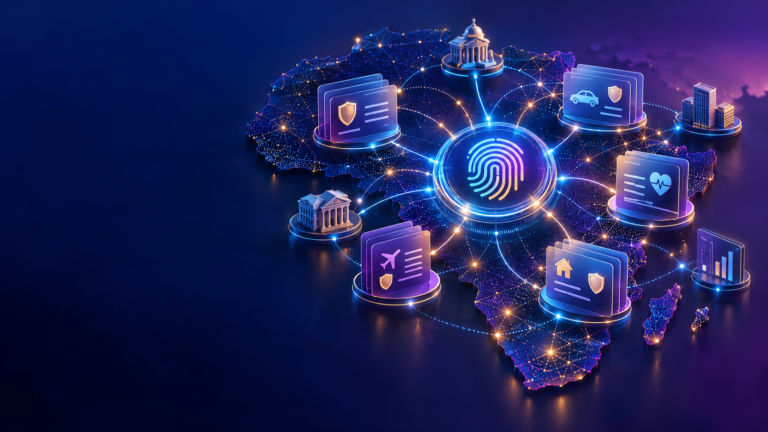
One of the most significant trends shaping the industry is the integration of telecom services with national identity systems. Countries across Africa are investing heavily in digital identity programs, and telecom operators are expected to align with these systems.
This means that SIM registration is no longer a standalone process. It must connect directly to national databases, validate identities in real time, and ensure that every subscriber is linked to a verified individual.
As these systems mature, the expectations on telcos will only increase. Integration will need to be seamless, accurate, and always available.
The Rise of Biometric Verification
Alongside national identity integration is the growing adoption of biometric verification. Regulators are moving beyond demographic data and requiring stronger forms of identity assurance.
Biometric methods such as facial recognition and fingerprint verification provide a much higher level of confidence. They make it significantly harder for fraudsters to create fake identities or reuse existing ones.
For telcos, this represents both a challenge and an opportunity. Implementing biometric systems requires investment and infrastructure, but it also reduces fraud, improves data quality, and strengthens compliance.
From One-Time Compliance to Continuous Oversight
Another key trend is the shift from one-time registration to continuous compliance. In the past, once a SIM was registered, it was rarely revisited. Today, regulators expect telcos to maintain clean and accurate subscriber databases at all times.
This includes re-verifying existing subscribers, monitoring for suspicious activity, and ensuring that data remains up to date. Compliance is no longer an event. It is an ongoing process that requires constant attention.
This shift places additional pressure on systems that were originally designed for one-time data capture.
Increasing Enforcement and Penalties
Regulators are also becoming more aggressive in enforcing compliance. Penalties are no longer limited to warnings. They now include financial fines, mandatory SIM barring, and large-scale audits.
These actions have immediate business impact. Subscriber disconnections lead to revenue loss. Fines affect profitability. Public enforcement actions can damage brand reputation.
As a result, the cost of non-compliance is higher than ever.
The Growth of Digital and Self-Service Channels
At the same time, customer expectations are evolving. With the rise of smartphones and digital services, subscribers increasingly expect to onboard remotely and instantly.
eSIM technology and digital registration channels are becoming more common, allowing users to activate services without visiting a physical location.
However, regulators still expect full compliance in these channels. This creates a complex challenge for telcos, who must deliver seamless digital experiences without compromising on identity assurance.

Multi-Market Complexity for Telcos
For operators working across multiple countries, the challenge becomes even more complex. Each market may have different regulatory requirements, identity systems, and compliance standards.
Keeping up with these variations requires systems that are flexible and adaptable. Static or hard-coded solutions are no longer sufficient in this environment.
How BioSmart X Positions Telcos for the Future
BioSmart X, developed by Seamfix, is designed to help telcos navigate this evolving landscape by providing a flexible and scalable identity platform. Its configurable architecture allows operators to adapt quickly to changing regulatory requirements across different markets without the need for extensive system changes.
The platform’s built-in biometric capabilities ensure that telcos can meet current and future identity assurance standards. By supporting continuous verification and lifecycle management, BioSmart X aligns with the shift toward ongoing compliance rather than one-time registration.
Integration is another critical advantage. BioSmart X connects seamlessly with national identity databases, core telecom systems, and customer management platforms, creating a unified ecosystem for identity management.
Perhaps most importantly, it has been proven at scale in high-pressure environments, including nationwide remediation programs and high-volume onboarding scenarios. This gives telcos confidence that their systems can perform when it matters most.
The regulatory landscape for telecoms in Africa is becoming more complex, more demanding, and more enforcement-driven.
Telcos that rely on outdated systems will struggle to keep up with these changes. Those that invest in scalable, biometric-driven platforms will be better positioned to manage risk, maintain compliance, and deliver strong customer experiences.
As the industry moves into 2026 and beyond, identity will continue to play a central role in telecom operations. Solutions like BioSmart X provide the foundation needed to operate confidently in this new reality.
Want to see how it works? Request a demo here